Buy vt24.eu ?
We are moving the project
vt24.eu .
Are you interested in purchasing the domain
vt24.eu ?
domain@kv-gmbh.de · 0541-91531010
Buy vt24.eu ?
What is galvanization?
Galvanization is the process of applying a protective zinc coating to steel or iron to prevent rusting. This is typically done by immersing the metal in a bath of molten zinc, or by applying a zinc-rich paint or powder coating. The zinc coating acts as a sacrificial anode, meaning it will corrode before the underlying metal, providing long-lasting protection against rust and corrosion. Galvanization is commonly used in outdoor structures, such as fences, guardrails, and metal roofs, to extend their lifespan and durability. **
Is galvanization possible without electricity?
Yes, galvanization is possible without electricity through a process called hot-dip galvanizing. In this method, the metal is dipped into a bath of molten zinc at a temperature of around 860°F (460°C). The high temperature causes the zinc to bond with the metal, creating a protective coating. This process does not require electricity, making it a viable option for galvanizing metal without the need for electrical power. **

Similar search terms for Galvanization
Top-Angebote
Products related to Galvanization:
-
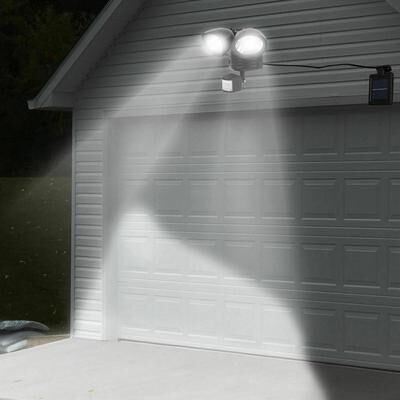
All Categories Goods LED Solar Security Light Dual Motion Sensor Outdoor Floodlight With LED Technology For Energy Efficient Illumination LED Solar Security Light Dual Motion Sensor Outdoor Floodlight With LED Technology For Energy Efficient IlluminationBrighten your outdoor space with the 1 pcs of 22 LED Solar Security Light, designed for maximum visibility and security. Powered by ecofriendly solar energy, this motion sensor floodlight activates when movement is detected, offering both...63,97 $*Shipping: 0,00 $Secure redirect to the provider


-
What is the principle of galvanization?
The principle of galvanization involves applying a protective zinc coating to steel or iron to prevent corrosion. This is achieved through a process called electroplating, where the metal is immersed in a bath of molten zinc and an electric current is passed through it, causing the zinc to bond to the surface of the metal. This creates a barrier that protects the underlying steel or iron from rust and corrosion, extending the lifespan of the material. Galvanization is commonly used in the construction of structures, such as bridges, fences, and buildings, as well as in the manufacturing of various metal products. **
-
Why is the galvanization not working?
The galvanization process may not be working for several reasons. One possible reason could be that the metal surface is not properly cleaned and prepared before the galvanization process, leading to poor adhesion of the zinc coating. Another reason could be that the temperature and chemical composition of the galvanizing bath are not properly maintained, affecting the quality of the coating. Additionally, if the metal being galvanized has a high silicon content, it can lead to a rough and uneven coating. It is important to identify the specific issue in order to troubleshoot and rectify the problem. **
-
What is the reaction equation for galvanization?
The reaction equation for galvanization involves the coating of iron or steel with a layer of zinc to protect it from corrosion. The equation is: Fe + ZnSO4 → FeSO4 + Zn This reaction involves the displacement of iron by zinc in the zinc sulfate solution, resulting in the formation of zinc coating on the iron or steel surface. This zinc coating acts as a sacrificial anode, protecting the underlying iron or steel from rusting. **
-
Why can galvanization only occur through electrolysis?
Galvanization can only occur through electrolysis because it involves the deposition of a thin layer of zinc onto a metal surface. This process requires the use of an electric current to transfer zinc ions from a zinc anode to the metal surface, creating a protective coating. Without the use of electrolysis, it would be impossible to achieve the controlled deposition of zinc onto the metal surface, which is essential for galvanization to occur. **


What is the difference between tinning and galvanization?
Tinning is the process of coating a metal surface with a thin layer of tin to protect it from corrosion and improve its appearance. Galvanization, on the other hand, involves coating a metal surface with a layer of zinc to protect it from rust and corrosion. While both processes aim to protect the metal from corrosion, tinning uses tin as the coating material, whereas galvanization uses zinc. Additionally, galvanization provides better protection against corrosion in harsh environments compared to tinning. **
Can you explain the process of galvanization? I need help.
Galvanization is a process of applying a protective zinc coating to steel or iron to prevent rusting. The process involves cleaning the metal surface to remove any impurities, then immersing it in a bath of molten zinc at a high temperature. The zinc bonds with the metal surface through a metallurgical reaction, creating a durable and corrosion-resistant coating. This coating acts as a sacrificial anode, protecting the underlying metal from rust and corrosion. **
Top-Angebote
Products related to Galvanization:
-
Ring Battery Video Doorbell Pro – Advanced Home Security & Connectivity, NewUpgrade your home security with the Ring Battery Video Doorbell Pro – Wireless Video Doorbell Security Camera . Designed to give you peace of mind, it delivers a head-to-toe 1536p HD view so you can see every detail clearly, from visitors to parcels at your doorstep. With advanced 3D Motion Detection and Bird’s Eye View , you’ll always know what’s happening around your home. The built-in colour night vision ensures crisp images even in the dark, while the wire-free battery design makes installation simple and flexible. Stay connected anywhere with instant notifications, two-way talk, and full integration with the Ring app, Alexa devices, and more. ✔️ Wireless video doorbell – Easy to install with a rechargeable battery, no wiring needed ✔️ 1536p HD head-to-toe view – See visitors and packages clearly in high definition ✔️ 3D Motion Detection & Bird’s Eye View – Advanced alerts and aerial perspective for extra security ✔️ Colour night vision – Crystal-clear video even in low light or darkness ✔️ Two-way talk with noise cancellation – Hear and speak to visitors in real time ✔️ Customisable motion zones – Focus on the areas that matter most ✔️ Smart alerts & notifications – Instant updates on your phone via the Ring app ✔️ Alexa compatible – Works seamlessly with Echo devices for hands-free monitoring ✔️ Quick-release battery pack – Easy to recharge and swap for uninterrupted security ✔️ Durable design – Built to withstand outdoor weather conditions The Ring Battery Video Doorbell Pro combines advanced motion detection, high-definition video, and smart home integration in one sleek device. Perfect for enhancing your home security, it ensures you never miss a visitor or delivery, day or night.174,49 £*Shipping: 0,00 £Secure redirect to the provider
-
All Categories Goods LED Solar Security Light Dual Motion Sensor Outdoor Floodlight With LED Technology For Energy Efficient Illumination LED Solar Security Light Dual Motion Sensor Outdoor Floodlight With LED Technology For Energy Efficient IlluminationBrighten your outdoor space with the 1 pcs of 22 LED Solar Security Light, designed for maximum visibility and security. Powered by ecofriendly solar energy, this motion sensor floodlight activates when movement is detected, offering both...63,97 $*Shipping: 0,00 $Secure redirect to the provider
-
What is galvanization?
Galvanization is the process of applying a protective zinc coating to steel or iron to prevent rusting. This is typically done by immersing the metal in a bath of molten zinc, or by applying a zinc-rich paint or powder coating. The zinc coating acts as a sacrificial anode, meaning it will corrode before the underlying metal, providing long-lasting protection against rust and corrosion. Galvanization is commonly used in outdoor structures, such as fences, guardrails, and metal roofs, to extend their lifespan and durability. **
-
Is galvanization possible without electricity?
Yes, galvanization is possible without electricity through a process called hot-dip galvanizing. In this method, the metal is dipped into a bath of molten zinc at a temperature of around 860°F (460°C). The high temperature causes the zinc to bond with the metal, creating a protective coating. This process does not require electricity, making it a viable option for galvanizing metal without the need for electrical power. **
-
What is the principle of galvanization?
The principle of galvanization involves applying a protective zinc coating to steel or iron to prevent corrosion. This is achieved through a process called electroplating, where the metal is immersed in a bath of molten zinc and an electric current is passed through it, causing the zinc to bond to the surface of the metal. This creates a barrier that protects the underlying steel or iron from rust and corrosion, extending the lifespan of the material. Galvanization is commonly used in the construction of structures, such as bridges, fences, and buildings, as well as in the manufacturing of various metal products. **
-
Why is the galvanization not working?
The galvanization process may not be working for several reasons. One possible reason could be that the metal surface is not properly cleaned and prepared before the galvanization process, leading to poor adhesion of the zinc coating. Another reason could be that the temperature and chemical composition of the galvanizing bath are not properly maintained, affecting the quality of the coating. Additionally, if the metal being galvanized has a high silicon content, it can lead to a rough and uneven coating. It is important to identify the specific issue in order to troubleshoot and rectify the problem. **
Similar search terms for Galvanization
-
AMX MU-3300 MUSE Automation Controller, 8 Serial (AMX-CCC033)The AMX MU-3300 MUSE Automation Controller is a powerful, secure, and reliable device that provides a dedicated computing resource running HARMAN Professional's AMX MUSE automation platform. The MU-3300 can simultaneously process a virtually unlimited number of scripts written in JavaScript, Python, or Groovy and natively supports Low-Code development with Node-RED. SpecificationsCountry of Origin: MexicoWeight: 8.3 lbs2418,49 £*Shipping: 0,00 £Secure redirect to the provider
-
Microsoft Surface Arc Mouse – Black, Bluetooth Connectivity, NewThe Microsoft Surface Arc Mouse in black is a sleek, compact, and ergonomic Bluetooth mouse designed to complement your Surface device. Featuring a unique, arc-shaped design, this mouse is both comfortable and portable, making it perfect for on-the-go use. With smooth, precise tracking and a touch-sensitive surface, the Surface Arc Mouse provides an intuitive and seamless experience for both work and play. Bluetooth Connectivity: Enjoy wireless convenience with Bluetooth connectivity, allowing for easy pairing with Surface devices and other compatible laptops or tablets without the need for a USB receiver. Unique Arc Design: The innovative arc design lets you flatten the mouse for easy storage and instantly snap it into a curved shape for comfortable use. Touch-Sensitive Surface: The touch-sensitive surface allows you to perform scrolling, right-clicking, and left-clicking with intuitive gestures for a smooth, responsive experience. Compact & Portable: Its slim, lightweight form factor makes it easy to carry around and store, ideal for professionals on the go. Ergonomic Comfort: Designed for all-day comfort, the Surface Arc Mouse provides a natural, relaxed grip, reducing strain during extended usage. Long Battery Life: Enjoy hours of use with efficient power management, and easily replace the battery when needed for continued performance. Works with Surface Devices: Seamlessly integrates with Surface laptops, tablets, and other Bluetooth-enabled devices for optimal compatibility. EAN : 196388243730 The Microsoft Surface Arc Mouse is the perfect accessory for anyone looking for a portable, stylish, and ergonomic mouse. Its wireless Bluetooth connectivity, touch-sensitive design, and compact size make it an ideal choice for work or travel. Get yours today and enjoy a smooth and efficient computing experience.69,99 £*Shipping: 0,00 £Secure redirect to the provider
-
What is the reaction equation for galvanization?
The reaction equation for galvanization involves the coating of iron or steel with a layer of zinc to protect it from corrosion. The equation is: Fe + ZnSO4 → FeSO4 + Zn This reaction involves the displacement of iron by zinc in the zinc sulfate solution, resulting in the formation of zinc coating on the iron or steel surface. This zinc coating acts as a sacrificial anode, protecting the underlying iron or steel from rusting. **
-
Why can galvanization only occur through electrolysis?
Galvanization can only occur through electrolysis because it involves the deposition of a thin layer of zinc onto a metal surface. This process requires the use of an electric current to transfer zinc ions from a zinc anode to the metal surface, creating a protective coating. Without the use of electrolysis, it would be impossible to achieve the controlled deposition of zinc onto the metal surface, which is essential for galvanization to occur. **
-
What is the difference between tinning and galvanization?
Tinning is the process of coating a metal surface with a thin layer of tin to protect it from corrosion and improve its appearance. Galvanization, on the other hand, involves coating a metal surface with a layer of zinc to protect it from rust and corrosion. While both processes aim to protect the metal from corrosion, tinning uses tin as the coating material, whereas galvanization uses zinc. Additionally, galvanization provides better protection against corrosion in harsh environments compared to tinning. **
-
Can you explain the process of galvanization? I need help.
Galvanization is a process of applying a protective zinc coating to steel or iron to prevent rusting. The process involves cleaning the metal surface to remove any impurities, then immersing it in a bath of molten zinc at a high temperature. The zinc bonds with the metal surface through a metallurgical reaction, creating a durable and corrosion-resistant coating. This coating acts as a sacrificial anode, protecting the underlying metal from rust and corrosion. **
* All prices are inclusive of VAT and, if applicable, plus shipping costs. The offer information is based on the details provided by the respective shop and is updated through automated processes. Real-time updates do not occur, so deviations can occur in individual cases. ** Note: Parts of this content were created by AI.