Buy vt24.eu ?
We are moving the project
vt24.eu .
Are you interested in purchasing the domain
vt24.eu ?
domain@kv-gmbh.de · 0541-91531010
Buy vt24.eu ?
Is rainwater clean?
Rainwater is generally considered clean as it falls from the sky, but it can pick up pollutants and contaminants as it travels through the atmosphere and lands on surfaces like rooftops. It can pick up pollutants such as dust, dirt, bird droppings, and chemicals from air pollution. Therefore, it is recommended to treat or filter rainwater before consumption to ensure it is safe for drinking or other uses. **
What is rainwater?
Rainwater is water that falls from the atmosphere as a result of condensation of water vapor. It is a natural source of freshwater and is essential for the survival of plants, animals, and humans. Rainwater is typically clean and free of pollutants, making it a valuable resource for drinking, irrigation, and other uses. It plays a crucial role in the water cycle, replenishing rivers, lakes, and groundwater supplies. **

Similar search terms for Rainwater
Top-Angebote
Products related to Rainwater:
-
AMX MU-3300 MUSE Automation Controller, 8 Serial (AMX-CCC033)The AMX MU-3300 MUSE Automation Controller is a powerful, secure, and reliable device that provides a dedicated computing resource running HARMAN Professional's AMX MUSE automation platform. The MU-3300 can simultaneously process a virtually unlimited number of scripts written in JavaScript, Python, or Groovy and natively supports Low-Code development with Node-RED. SpecificationsCountry of Origin: MexicoWeight: 8.3 lbs2418,49 £*Shipping: 0,00 £Secure redirect to the provider



-
Can one drink rainwater?
Yes, it is generally safe to drink rainwater that has been collected and stored properly. However, it is important to ensure that the rainwater is collected in a clean container and filtered or treated before consumption to remove any potential contaminants. Additionally, it is recommended to use rainwater for non-potable purposes such as watering plants or washing clothes, rather than for drinking, to minimize any health risks. **
-
What about contaminated rainwater?
Contaminated rainwater occurs when pollutants from the atmosphere are carried down to the ground by rain. This can happen when pollutants such as chemicals, heavy metals, or microorganisms are present in the air and then deposited onto surfaces during rainfall. Contaminated rainwater can pose a risk to human health and the environment if it is ingested or comes into contact with skin. It is important to be aware of potential sources of contamination and take steps to minimize exposure to contaminated rainwater. **
-
Who owns the rainwater?
In many places, rainwater is considered a common resource and is owned by the public. However, in some areas, laws and regulations may dictate that landowners have certain rights and responsibilities regarding rainwater that falls on their property. These laws can vary widely depending on the location and may include rules about collecting, using, or managing rainwater. It's important to research and understand the specific regulations in your area to determine who owns the rainwater. **
-
Why is rainwater acidic?
Rainwater becomes acidic due to the presence of carbon dioxide in the atmosphere. When carbon dioxide dissolves in rainwater, it forms carbonic acid, lowering the pH of the rainwater. Additionally, pollutants such as sulfur dioxide and nitrogen oxides can also mix with rainwater, further lowering its pH and making it more acidic. This acidic rainwater can have harmful effects on the environment, including damaging plants, aquatic life, and infrastructure. **


Is river water rainwater?
No, river water is not rainwater. River water is the accumulation of rainwater, as well as water from other sources such as melting snow, groundwater, and runoff from the surrounding land. Rainwater refers specifically to the water that falls from the atmosphere as precipitation. Once rainwater reaches the ground, it can flow into rivers and become part of the river water system. **
Why is rainwater naturally acidic?
Rainwater is naturally acidic due to the presence of carbon dioxide in the atmosphere. When carbon dioxide dissolves in rainwater, it forms carbonic acid, lowering the pH of the rainwater. Additionally, pollutants in the atmosphere, such as sulfur dioxide and nitrogen oxides, can also contribute to the acidity of rainwater through the formation of sulfuric acid and nitric acid. This acidic nature of rainwater can have harmful effects on the environment, such as damaging aquatic ecosystems and corroding buildings and infrastructure. **
Top-Angebote
Products related to Rainwater:
-
Ring Battery Video Doorbell Pro – Advanced Home Security & Connectivity, NewUpgrade your home security with the Ring Battery Video Doorbell Pro – Wireless Video Doorbell Security Camera . Designed to give you peace of mind, it delivers a head-to-toe 1536p HD view so you can see every detail clearly, from visitors to parcels at your doorstep. With advanced 3D Motion Detection and Bird’s Eye View , you’ll always know what’s happening around your home. The built-in colour night vision ensures crisp images even in the dark, while the wire-free battery design makes installation simple and flexible. Stay connected anywhere with instant notifications, two-way talk, and full integration with the Ring app, Alexa devices, and more. ✔️ Wireless video doorbell – Easy to install with a rechargeable battery, no wiring needed ✔️ 1536p HD head-to-toe view – See visitors and packages clearly in high definition ✔️ 3D Motion Detection & Bird’s Eye View – Advanced alerts and aerial perspective for extra security ✔️ Colour night vision – Crystal-clear video even in low light or darkness ✔️ Two-way talk with noise cancellation – Hear and speak to visitors in real time ✔️ Customisable motion zones – Focus on the areas that matter most ✔️ Smart alerts & notifications – Instant updates on your phone via the Ring app ✔️ Alexa compatible – Works seamlessly with Echo devices for hands-free monitoring ✔️ Quick-release battery pack – Easy to recharge and swap for uninterrupted security ✔️ Durable design – Built to withstand outdoor weather conditions The Ring Battery Video Doorbell Pro combines advanced motion detection, high-definition video, and smart home integration in one sleek device. Perfect for enhancing your home security, it ensures you never miss a visitor or delivery, day or night.174,49 £*Shipping: 0,00 £Secure redirect to the provider
-
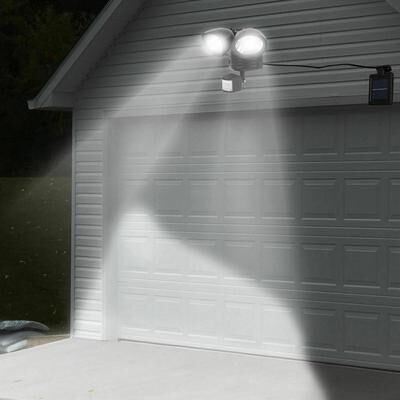
All Categories Goods LED Solar Security Light Dual Motion Sensor Outdoor Floodlight With LED Technology For Energy Efficient Illumination LED Solar Security Light Dual Motion Sensor Outdoor Floodlight With LED Technology For Energy Efficient IlluminationBrighten your outdoor space with the 1 pcs of 22 LED Solar Security Light, designed for maximum visibility and security. Powered by ecofriendly solar energy, this motion sensor floodlight activates when movement is detected, offering both...63,97 $*Shipping: 0,00 $Secure redirect to the provider
-
Is rainwater clean?
Rainwater is generally considered clean as it falls from the sky, but it can pick up pollutants and contaminants as it travels through the atmosphere and lands on surfaces like rooftops. It can pick up pollutants such as dust, dirt, bird droppings, and chemicals from air pollution. Therefore, it is recommended to treat or filter rainwater before consumption to ensure it is safe for drinking or other uses. **
-
What is rainwater?
Rainwater is water that falls from the atmosphere as a result of condensation of water vapor. It is a natural source of freshwater and is essential for the survival of plants, animals, and humans. Rainwater is typically clean and free of pollutants, making it a valuable resource for drinking, irrigation, and other uses. It plays a crucial role in the water cycle, replenishing rivers, lakes, and groundwater supplies. **
-
Can one drink rainwater?
Yes, it is generally safe to drink rainwater that has been collected and stored properly. However, it is important to ensure that the rainwater is collected in a clean container and filtered or treated before consumption to remove any potential contaminants. Additionally, it is recommended to use rainwater for non-potable purposes such as watering plants or washing clothes, rather than for drinking, to minimize any health risks. **
-
What about contaminated rainwater?
Contaminated rainwater occurs when pollutants from the atmosphere are carried down to the ground by rain. This can happen when pollutants such as chemicals, heavy metals, or microorganisms are present in the air and then deposited onto surfaces during rainfall. Contaminated rainwater can pose a risk to human health and the environment if it is ingested or comes into contact with skin. It is important to be aware of potential sources of contamination and take steps to minimize exposure to contaminated rainwater. **
Similar search terms for Rainwater
-
AMX MU-3300 MUSE Automation Controller, 8 Serial (AMX-CCC033)The AMX MU-3300 MUSE Automation Controller is a powerful, secure, and reliable device that provides a dedicated computing resource running HARMAN Professional's AMX MUSE automation platform. The MU-3300 can simultaneously process a virtually unlimited number of scripts written in JavaScript, Python, or Groovy and natively supports Low-Code development with Node-RED. SpecificationsCountry of Origin: MexicoWeight: 8.3 lbs2418,49 £*Shipping: 0,00 £Secure redirect to the provider
-
DEVERA Hanger and Full-length Mirror IntegrationSpecification Main Material: Rubber Wood,Solid Wood,Wood+Glass Product Style: American Design,Art Deco,Artsy,Contemporary,European Product Features Product Information: Full-length mirror, solid wood + rubber wood + glass, 65.7*17.7in (mirror width:…302,39 $*Shipping: 0,00 $Secure redirect to the provider
-
Uplift Essentials Armband Heart Rate Monitor With Bluetooth 5.0 And ANT+ Connectivity Armband Heart Rate Monitor With Bluetooth 5.0 And ANT+ ConnectivityTrain smarter and safer with this armband heart rate monitor featuring accurate optical HR tracking, calorie burn monitoring, and heart rate zone feedback. Designed for fitness enthusiasts, cyclists, and athletes, this device connects seamlessly to...126,97 $*Shipping: 0,00 $Secure redirect to the provider
-
Who owns the rainwater?
In many places, rainwater is considered a common resource and is owned by the public. However, in some areas, laws and regulations may dictate that landowners have certain rights and responsibilities regarding rainwater that falls on their property. These laws can vary widely depending on the location and may include rules about collecting, using, or managing rainwater. It's important to research and understand the specific regulations in your area to determine who owns the rainwater. **
-
Why is rainwater acidic?
Rainwater becomes acidic due to the presence of carbon dioxide in the atmosphere. When carbon dioxide dissolves in rainwater, it forms carbonic acid, lowering the pH of the rainwater. Additionally, pollutants such as sulfur dioxide and nitrogen oxides can also mix with rainwater, further lowering its pH and making it more acidic. This acidic rainwater can have harmful effects on the environment, including damaging plants, aquatic life, and infrastructure. **
-
Is river water rainwater?
No, river water is not rainwater. River water is the accumulation of rainwater, as well as water from other sources such as melting snow, groundwater, and runoff from the surrounding land. Rainwater refers specifically to the water that falls from the atmosphere as precipitation. Once rainwater reaches the ground, it can flow into rivers and become part of the river water system. **
-
Why is rainwater naturally acidic?
Rainwater is naturally acidic due to the presence of carbon dioxide in the atmosphere. When carbon dioxide dissolves in rainwater, it forms carbonic acid, lowering the pH of the rainwater. Additionally, pollutants in the atmosphere, such as sulfur dioxide and nitrogen oxides, can also contribute to the acidity of rainwater through the formation of sulfuric acid and nitric acid. This acidic nature of rainwater can have harmful effects on the environment, such as damaging aquatic ecosystems and corroding buildings and infrastructure. **
* All prices are inclusive of VAT and, if applicable, plus shipping costs. The offer information is based on the details provided by the respective shop and is updated through automated processes. Real-time updates do not occur, so deviations can occur in individual cases. ** Note: Parts of this content were created by AI.