Buy vt24.eu ?
We are moving the project
vt24.eu .
Are you interested in purchasing the domain
vt24.eu ?
domain@kv-gmbh.de · 0541-91531010
Buy vt24.eu ?
Is the technical diploma in automation technology difficult?
The difficulty of the technical diploma in automation technology can vary depending on the individual's background, experience, and aptitude for the subject matter. Some students may find the coursework challenging due to the complex concepts and technical skills required, while others with a strong foundation in math, science, and technology may find it more manageable. Overall, dedication, hard work, and a genuine interest in automation technology can help students succeed in completing the program. **
Is the electronics technician for automation technology difficult?
Becoming an electronics technician for automation technology can be challenging, as it requires a strong understanding of electrical systems, programming, and automation technology. The field is constantly evolving, so technicians must stay updated on the latest advancements and technologies. However, with dedication and the right training, individuals can develop the skills and knowledge needed to succeed in this role. It may be difficult at times, but the opportunities for growth and the potential to work on cutting-edge technology make it a rewarding career choice for those passionate about automation. **
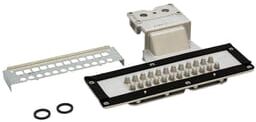

Similar search terms for Rinnai-11I-17I-17e
Top-Angebote
Products related to Rinnai-11I-17I-17e:
-
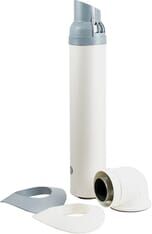
Rinnai 11i/17i/HD55i Standard Flue KitRinnai 11i/17i/HD55i Standard Flue Kit (AWF50-01) The Rinnai Standard Horizontal Flue Kit AWF50-01 is designed for safe and compliant horizontal flue installations for Rinnai 11i, 17i and HD55i continuous flow non-condensing gas water heaters. This kit provides a reliable solution for wall-terminated systems and ensures efficient removal of combustion gases while maintaining air intake. The kit includes a 70cm 80/125mm wall terminal, a 90° male/female flue elbow adaptor, and both black and white wall gaskets, making it suitable for various installation finishes. Perfect for indoor installations requiring horizontal venting, the VRM Series flue kit is manufacturer-approved and weather-resistant for long-lasting performance. Key Features & Benefits Horizontal Flue Kit: Desi123,59 £*Shipping: 0,00 £Secure redirect to the provider
-
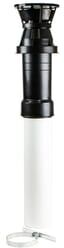
Rinnai 11i/17i/HD55i Vertical Flue KitRinnai 11i/17i/HD55i Vertical Flue Kit (AWF50-07) The Rinnai Vertical Flue Kit is the perfect solution for installations where your Rinnai 11i, 17i, or HD55i non-condensing gas water heater requires a vertical flue termination through the roof. Designed specifically for non-condensing models, this flue kit ensures safe and efficient exhaust ventilation while maintaining full compliance with manufacturer installation standards. The kit includes an 80/125mm concentric roof terminal (950mm) and a roof/attic pipe clamp, offering a complete, secure and weather-resistant setup for professional installations. Key Features & Benefits Designed for Vertical Termination: Ideal for through-roof flueing in non-condensing water heater installations. Compatible Models:118,39 £*Shipping: 0,00 £Secure redirect to the provider
-
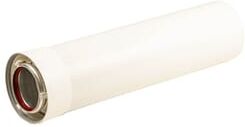
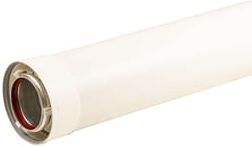
Rinnai 11i/17i/HD55i Flue Extension - 500mmRinnai 11i/17i/HD55i Flue Extension – 500mm (AWF50-05) The Rinnai AWF50-05 500mm Flue Extension is designed to extend the horizontal or vertical flue run of Rinnai 11i, 17i and HD55i non-condensing gas water heaters. This extension is ideal for installations that require longer venting distances, ensuring safe and efficient discharge of combustion gases. Manufactured to Rinnai's quality standards, this 80/125mm coaxial flue extension maintains full system compatibility and compliance with manufacturer guidelines. Perfect for indoor or confined-space installations where standard flue lengths are insufficient. Key Features & Benefits: 500mm Extension Length: Adds extra reach to your flue system for flexible installation. Compatible with Rinnai Models:70,26 £*Shipping: 5,00 £Secure redirect to the provider
-
How are electronics technicians trained for automation technology?
Electronics technicians are trained for automation technology through a combination of formal education and on-the-job training. They typically complete a post-secondary program in electronics or a related field, where they learn about electrical circuits, digital electronics, and control systems. Additionally, they receive specialized training in automation technology, which includes learning about programmable logic controllers (PLCs), industrial robotics, and process control systems. This training may also involve hands-on experience with automation equipment and systems in a lab or industrial setting. Overall, electronics technicians are trained to understand and troubleshoot the complex systems used in automation technology. **
-
What else can be learned besides programming and networking technology?
Besides programming and networking technology, individuals can also learn important skills such as problem-solving, critical thinking, communication, and teamwork. These skills are essential in any professional setting and can help individuals succeed in their careers. Additionally, individuals can also learn about cybersecurity, data analysis, cloud computing, and other emerging technologies to stay competitive in the ever-evolving tech industry. Continuous learning and development in these areas can open up new opportunities and help individuals advance in their careers. **
-
What is the difference between automation technology and mechatronics?
Automation technology focuses on the use of control systems to operate equipment and processes with minimal human intervention. It involves the use of sensors, actuators, and controllers to automate tasks. Mechatronics, on the other hand, is a multidisciplinary field that combines elements of mechanical engineering, electrical engineering, and computer science to design and create intelligent systems. Mechatronics integrates mechanical systems with electronics and computer control to create advanced automated systems that can perform complex tasks. In summary, automation technology is a subset of mechatronics, which is a broader field encompassing a wider range of technologies and disciplines. **
-
Can a specialist in information technology for system integration further qualify as a specialist in application development?
While a specialist in information technology for system integration may have a strong foundation in IT systems and infrastructure, they may need additional training and experience to become a specialist in application development. Application development requires a deep understanding of programming languages, software development methodologies, and user interface design, which may not be the primary focus of a system integration specialist. However, with additional education and hands-on experience in application development, a system integration specialist could potentially transition into a dual role as a specialist in both system integration and application development. **

Is the profession of automation technology electronics technician future-proof?
Yes, the profession of automation technology electronics technician is considered future-proof. With the increasing demand for automation in various industries, the need for skilled technicians to design, install, and maintain automated systems is expected to grow. As technology continues to advance, automation technology electronics technicians will play a crucial role in ensuring that these systems operate efficiently and effectively. Additionally, the skills and knowledge required for this profession are transferable to other emerging technologies, making it a versatile and in-demand career choice for the future. **
What is the difference between automation technology, PLC, and PCS7?
Automation technology refers to the use of control systems, such as PLC and PCS7, to automate industrial processes. PLC (Programmable Logic Controller) is a type of control system that uses a programmable memory to store instructions and execute specific functions, such as controlling machinery on a factory floor. PCS7 (Process Control System 7) is a specific type of automation technology developed by Siemens, which integrates various control systems and devices to monitor and control industrial processes in real-time. In summary, automation technology is the broader concept that encompasses the use of control systems like PLC and PCS7 to automate industrial processes, while PLC and PCS7 are specific types of control systems used in automation technology. **
Top-Angebote
Products related to Rinnai-11I-17I-17e:
-
Rinnai 11I,17I & 17e A Series LPG Conversion KitRinnai 11i, 17i & 17e A Series LPG Conversion Kit (17I CONV NG-LPG) The Rinnai 11i, 17i & 17e A Series LPG Conversion Kit is the genuine, manufacturer-approved solution for converting a compatible Rinnai A Series continuous flow water heater from natural gas to LPG (propane). It's built to Rinnai's own standards and covers three models in the A Series range — the 11i, 17i, and 17e — with components precision-engineered to get gas regulation correct after conversion. This kit is well suited to rural properties or any location without access to mains natural gas, giving a cost-effective way to run an A Series appliance on LPG without sacrificing efficiency, safety, or long-term reliability. ⚠ Important: This conversion must be carried out by a Gas Safe registered engineer familiar with Rinnai appliances. Isolate t54,00 £*Shipping: 5,00 £Secure redirect to the provider
-
Rinnai 11i, 17i & 17e Gas Water Heater Service KitInvest in the care and maintenance of your Rinnai 11i, 17i or 17e gas water heater with this dedicated service kit. By doing so, you are not only enhancing its current performance but also investing in its longevity, securing uninterrupted comfort for your home or business premises for years to come. Benefits of Regular Maintenance: Enhanced Efficiency: Regular servicing can ensure that your water heater operates at peak efficiency, reducing energy bills. Longer Lifespan: Preventing buildup and replacing worn-out parts can significantly extend the life of your water heater. Safety: Ensuring that your appliance is in top condition minimizes the risk of leaks or malfunctions. Installation & Safety: Always ensure that installation and88,20 £*Shipping: 0,00 £Secure redirect to the provider
-
Rinnai 11i/17i/HD55i Standard Flue KitRinnai 11i/17i/HD55i Standard Flue Kit (AWF50-01) The Rinnai Standard Horizontal Flue Kit AWF50-01 is designed for safe and compliant horizontal flue installations for Rinnai 11i, 17i and HD55i continuous flow non-condensing gas water heaters. This kit provides a reliable solution for wall-terminated systems and ensures efficient removal of combustion gases while maintaining air intake. The kit includes a 70cm 80/125mm wall terminal, a 90° male/female flue elbow adaptor, and both black and white wall gaskets, making it suitable for various installation finishes. Perfect for indoor installations requiring horizontal venting, the VRM Series flue kit is manufacturer-approved and weather-resistant for long-lasting performance. Key Features & Benefits Horizontal Flue Kit: Desi123,59 £*Shipping: 0,00 £Secure redirect to the provider
-
Rinnai 11i/17i/HD55i Vertical Flue KitRinnai 11i/17i/HD55i Vertical Flue Kit (AWF50-07) The Rinnai Vertical Flue Kit is the perfect solution for installations where your Rinnai 11i, 17i, or HD55i non-condensing gas water heater requires a vertical flue termination through the roof. Designed specifically for non-condensing models, this flue kit ensures safe and efficient exhaust ventilation while maintaining full compliance with manufacturer installation standards. The kit includes an 80/125mm concentric roof terminal (950mm) and a roof/attic pipe clamp, offering a complete, secure and weather-resistant setup for professional installations. Key Features & Benefits Designed for Vertical Termination: Ideal for through-roof flueing in non-condensing water heater installations. Compatible Models:118,39 £*Shipping: 0,00 £Secure redirect to the provider
-
Is the technical diploma in automation technology difficult?
The difficulty of the technical diploma in automation technology can vary depending on the individual's background, experience, and aptitude for the subject matter. Some students may find the coursework challenging due to the complex concepts and technical skills required, while others with a strong foundation in math, science, and technology may find it more manageable. Overall, dedication, hard work, and a genuine interest in automation technology can help students succeed in completing the program. **
-
Is the electronics technician for automation technology difficult?
Becoming an electronics technician for automation technology can be challenging, as it requires a strong understanding of electrical systems, programming, and automation technology. The field is constantly evolving, so technicians must stay updated on the latest advancements and technologies. However, with dedication and the right training, individuals can develop the skills and knowledge needed to succeed in this role. It may be difficult at times, but the opportunities for growth and the potential to work on cutting-edge technology make it a rewarding career choice for those passionate about automation. **
-
How are electronics technicians trained for automation technology?
Electronics technicians are trained for automation technology through a combination of formal education and on-the-job training. They typically complete a post-secondary program in electronics or a related field, where they learn about electrical circuits, digital electronics, and control systems. Additionally, they receive specialized training in automation technology, which includes learning about programmable logic controllers (PLCs), industrial robotics, and process control systems. This training may also involve hands-on experience with automation equipment and systems in a lab or industrial setting. Overall, electronics technicians are trained to understand and troubleshoot the complex systems used in automation technology. **
-
What else can be learned besides programming and networking technology?
Besides programming and networking technology, individuals can also learn important skills such as problem-solving, critical thinking, communication, and teamwork. These skills are essential in any professional setting and can help individuals succeed in their careers. Additionally, individuals can also learn about cybersecurity, data analysis, cloud computing, and other emerging technologies to stay competitive in the ever-evolving tech industry. Continuous learning and development in these areas can open up new opportunities and help individuals advance in their careers. **
Similar search terms for Rinnai-11I-17I-17e
-
Rinnai 11i/17i/HD55i Flue Extension - 500mmRinnai 11i/17i/HD55i Flue Extension – 500mm (AWF50-05) The Rinnai AWF50-05 500mm Flue Extension is designed to extend the horizontal or vertical flue run of Rinnai 11i, 17i and HD55i non-condensing gas water heaters. This extension is ideal for installations that require longer venting distances, ensuring safe and efficient discharge of combustion gases. Manufactured to Rinnai's quality standards, this 80/125mm coaxial flue extension maintains full system compatibility and compliance with manufacturer guidelines. Perfect for indoor or confined-space installations where standard flue lengths are insufficient. Key Features & Benefits: 500mm Extension Length: Adds extra reach to your flue system for flexible installation. Compatible with Rinnai Models:70,26 £*Shipping: 5,00 £Secure redirect to the provider
-
Rinnai 11i/17i Connection & Isolation Valve PackThe Rinnai 11i/17i Connection & Isolation Valve Pack is a must-have for enhancing the functionality and safety of your Rinnai water heating systems. Designed with precision and compatibility in mind, this valve pack seamlessly integrates with the Rinnai 11i and 17i models, ensuring a perfect fit and effortless installation. For use with 15mm copper tube.38,40 £*Shipping: 5,00 £Secure redirect to the provider
-
What is the difference between automation technology and mechatronics?
Automation technology focuses on the use of control systems to operate equipment and processes with minimal human intervention. It involves the use of sensors, actuators, and controllers to automate tasks. Mechatronics, on the other hand, is a multidisciplinary field that combines elements of mechanical engineering, electrical engineering, and computer science to design and create intelligent systems. Mechatronics integrates mechanical systems with electronics and computer control to create advanced automated systems that can perform complex tasks. In summary, automation technology is a subset of mechatronics, which is a broader field encompassing a wider range of technologies and disciplines. **
-
Can a specialist in information technology for system integration further qualify as a specialist in application development?
While a specialist in information technology for system integration may have a strong foundation in IT systems and infrastructure, they may need additional training and experience to become a specialist in application development. Application development requires a deep understanding of programming languages, software development methodologies, and user interface design, which may not be the primary focus of a system integration specialist. However, with additional education and hands-on experience in application development, a system integration specialist could potentially transition into a dual role as a specialist in both system integration and application development. **
-
Is the profession of automation technology electronics technician future-proof?
Yes, the profession of automation technology electronics technician is considered future-proof. With the increasing demand for automation in various industries, the need for skilled technicians to design, install, and maintain automated systems is expected to grow. As technology continues to advance, automation technology electronics technicians will play a crucial role in ensuring that these systems operate efficiently and effectively. Additionally, the skills and knowledge required for this profession are transferable to other emerging technologies, making it a versatile and in-demand career choice for the future. **
-
What is the difference between automation technology, PLC, and PCS7?
Automation technology refers to the use of control systems, such as PLC and PCS7, to automate industrial processes. PLC (Programmable Logic Controller) is a type of control system that uses a programmable memory to store instructions and execute specific functions, such as controlling machinery on a factory floor. PCS7 (Process Control System 7) is a specific type of automation technology developed by Siemens, which integrates various control systems and devices to monitor and control industrial processes in real-time. In summary, automation technology is the broader concept that encompasses the use of control systems like PLC and PCS7 to automate industrial processes, while PLC and PCS7 are specific types of control systems used in automation technology. **
* All prices are inclusive of VAT and, if applicable, plus shipping costs. The offer information is based on the details provided by the respective shop and is updated through automated processes. Real-time updates do not occur, so deviations can occur in individual cases. ** Note: Parts of this content were created by AI.