Buy vt24.eu ?
We are moving the project
vt24.eu .
Are you interested in purchasing the domain
vt24.eu ?
domain@kv-gmbh.de · 0541-91531010
Buy vt24.eu ?
What is the solubility temperature?
Solubility temperature is the temperature at which a solute can no longer dissolve in a solvent and starts to precipitate out of the solution. It is the point at which the solution becomes saturated and can no longer hold any more of the solute at that temperature. Solubility temperature varies depending on the specific solute and solvent involved, with some solutes becoming more soluble as temperature increases while others become less soluble. **
What is the solubility product?
The solubility product is a constant value that represents the equilibrium between a solid substance and its ions in a solution. It is the product of the concentrations of the ions in a saturated solution at a specific temperature. The solubility product constant is a measure of how well a compound can dissolve in a solvent, with higher values indicating higher solubility. It is used to predict the solubility of a compound and to determine if a precipitate will form in a solution. **

Similar search terms for Solubility
Top-Angebote
Products related to Solubility:
-
How do you test solubility?
To test solubility, you can add a small amount of the substance you want to test to a known volume of a solvent, such as water, and stir to see if it dissolves. If the substance dissolves, it is considered soluble in that solvent. If it does not dissolve, it is considered insoluble. You can also test solubility by gradually adding more of the substance to the solvent and observing if it continues to dissolve or if it reaches a point where no more can dissolve, indicating its saturation point. **
-
How can one understand solubility?
Solubility refers to the ability of a substance to dissolve in a solvent to form a homogeneous solution. It is influenced by factors such as temperature, pressure, and the nature of the solute and solvent. Understanding solubility involves knowing the maximum amount of solute that can dissolve in a given amount of solvent under specific conditions. This can be determined through experimental measurements and by using solubility curves and tables. Additionally, understanding the molecular interactions between the solute and solvent can provide insight into the factors that affect solubility. **
-
What is solubility in chemistry?
Solubility in chemistry refers to the ability of a substance to dissolve in a solvent to form a homogeneous solution. It is a measure of the maximum amount of solute that can dissolve in a given amount of solvent at a specific temperature. Solubility is often expressed in terms of grams of solute per 100 grams of solvent, or in terms of molarity. The factors that affect solubility include temperature, pressure, and the nature of the solute and solvent. **
-
What is the solubility of cellulose?
Cellulose is insoluble in water and most organic solvents due to its strong hydrogen bonding and crystalline structure. However, it can be dissolved in certain ionic liquids or concentrated acids under specific conditions. Overall, cellulose is considered to have very low solubility in common solvents. **
What is the question about solubility?
The question about solubility typically revolves around how well a substance can dissolve in a solvent at a given temperature and pressure. It may involve investigating factors that affect solubility, such as the nature of the solute and solvent, temperature, and pressure. Understanding solubility is important in various fields, including chemistry, pharmacy, and environmental science, as it influences processes like drug formulation, chemical reactions, and pollution control. **
What is the solubility of bromoheptane?
The solubility of bromoheptane is very low in water, as it is a nonpolar molecule and water is a polar solvent. Nonpolar molecules like bromoheptane are not easily dissolved in polar solvents like water due to differences in their molecular structures. However, bromoheptane is soluble in nonpolar solvents such as hexane or ether due to their similar molecular structures. Therefore, bromoheptane is considered to be insoluble in water but soluble in nonpolar solvents. **
Top-Angebote
Products related to Solubility:
-
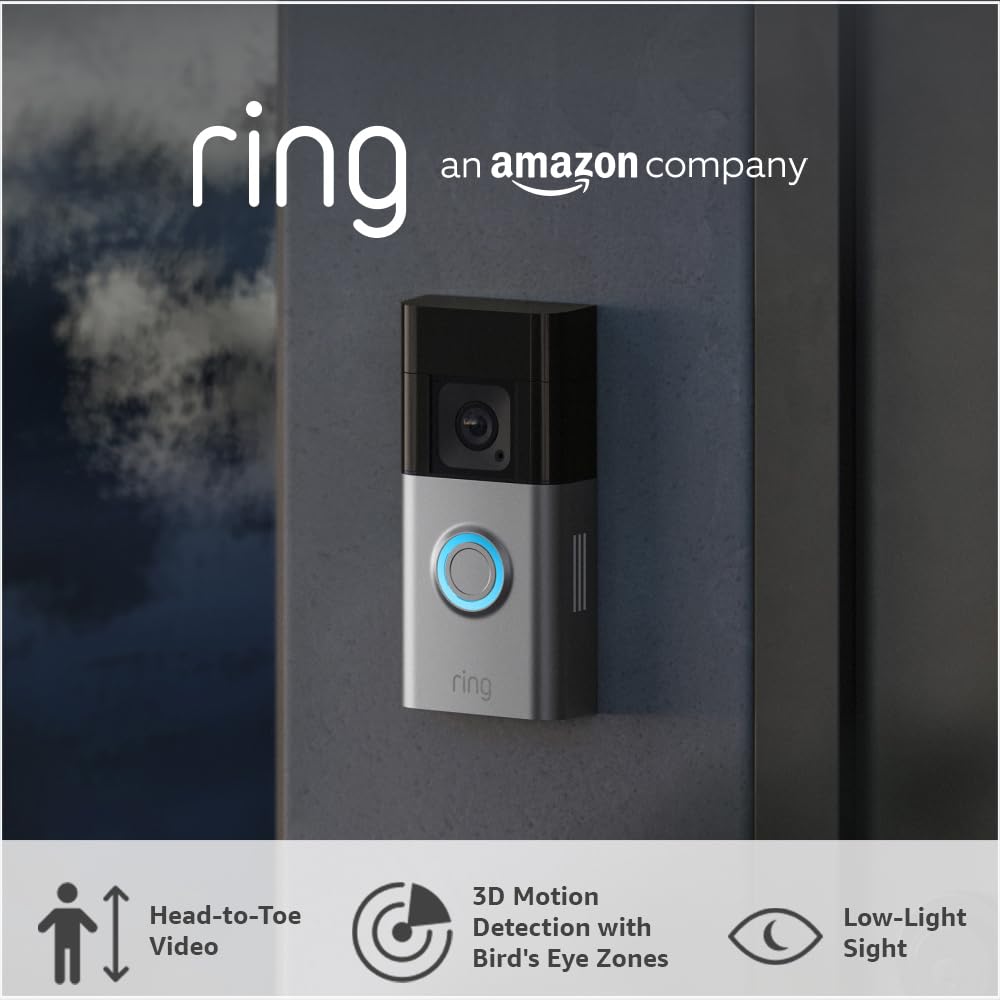
Ring Battery Video Doorbell Pro – Advanced Home Security & Connectivity, NewUpgrade your home security with the Ring Battery Video Doorbell Pro – Wireless Video Doorbell Security Camera . Designed to give you peace of mind, it delivers a head-to-toe 1536p HD view so you can see every detail clearly, from visitors to parcels at your doorstep. With advanced 3D Motion Detection and Bird’s Eye View , you’ll always know what’s happening around your home. The built-in colour night vision ensures crisp images even in the dark, while the wire-free battery design makes installation simple and flexible. Stay connected anywhere with instant notifications, two-way talk, and full integration with the Ring app, Alexa devices, and more. ✔️ Wireless video doorbell – Easy to install with a rechargeable battery, no wiring needed ✔️ 1536p HD head-to-toe view – See visitors and packages clearly in high definition ✔️ 3D Motion Detection & Bird’s Eye View – Advanced alerts and aerial perspective for extra security ✔️ Colour night vision – Crystal-clear video even in low light or darkness ✔️ Two-way talk with noise cancellation – Hear and speak to visitors in real time ✔️ Customisable motion zones – Focus on the areas that matter most ✔️ Smart alerts & notifications – Instant updates on your phone via the Ring app ✔️ Alexa compatible – Works seamlessly with Echo devices for hands-free monitoring ✔️ Quick-release battery pack – Easy to recharge and swap for uninterrupted security ✔️ Durable design – Built to withstand outdoor weather conditions The Ring Battery Video Doorbell Pro combines advanced motion detection, high-definition video, and smart home integration in one sleek device. Perfect for enhancing your home security, it ensures you never miss a visitor or delivery, day or night.174,49 £*Shipping: 0,00 £Secure redirect to the provider
-
All Categories Goods LED Solar Security Light Dual Motion Sensor Outdoor Floodlight With LED Technology For Energy Efficient Illumination LED Solar Security Light Dual Motion Sensor Outdoor Floodlight With LED Technology For Energy Efficient IlluminationBrighten your outdoor space with the 1 pcs of 22 LED Solar Security Light, designed for maximum visibility and security. Powered by ecofriendly solar energy, this motion sensor floodlight activates when movement is detected, offering both...63,97 $*Shipping: 0,00 $Secure redirect to the provider
-
What is the solubility temperature?
Solubility temperature is the temperature at which a solute can no longer dissolve in a solvent and starts to precipitate out of the solution. It is the point at which the solution becomes saturated and can no longer hold any more of the solute at that temperature. Solubility temperature varies depending on the specific solute and solvent involved, with some solutes becoming more soluble as temperature increases while others become less soluble. **
-
What is the solubility product?
The solubility product is a constant value that represents the equilibrium between a solid substance and its ions in a solution. It is the product of the concentrations of the ions in a saturated solution at a specific temperature. The solubility product constant is a measure of how well a compound can dissolve in a solvent, with higher values indicating higher solubility. It is used to predict the solubility of a compound and to determine if a precipitate will form in a solution. **
-
How do you test solubility?
To test solubility, you can add a small amount of the substance you want to test to a known volume of a solvent, such as water, and stir to see if it dissolves. If the substance dissolves, it is considered soluble in that solvent. If it does not dissolve, it is considered insoluble. You can also test solubility by gradually adding more of the substance to the solvent and observing if it continues to dissolve or if it reaches a point where no more can dissolve, indicating its saturation point. **
-
How can one understand solubility?
Solubility refers to the ability of a substance to dissolve in a solvent to form a homogeneous solution. It is influenced by factors such as temperature, pressure, and the nature of the solute and solvent. Understanding solubility involves knowing the maximum amount of solute that can dissolve in a given amount of solvent under specific conditions. This can be determined through experimental measurements and by using solubility curves and tables. Additionally, understanding the molecular interactions between the solute and solvent can provide insight into the factors that affect solubility. **
Similar search terms for Solubility
-
What is solubility in chemistry?
Solubility in chemistry refers to the ability of a substance to dissolve in a solvent to form a homogeneous solution. It is a measure of the maximum amount of solute that can dissolve in a given amount of solvent at a specific temperature. Solubility is often expressed in terms of grams of solute per 100 grams of solvent, or in terms of molarity. The factors that affect solubility include temperature, pressure, and the nature of the solute and solvent. **
-
What is the solubility of cellulose?
Cellulose is insoluble in water and most organic solvents due to its strong hydrogen bonding and crystalline structure. However, it can be dissolved in certain ionic liquids or concentrated acids under specific conditions. Overall, cellulose is considered to have very low solubility in common solvents. **
-
What is the question about solubility?
The question about solubility typically revolves around how well a substance can dissolve in a solvent at a given temperature and pressure. It may involve investigating factors that affect solubility, such as the nature of the solute and solvent, temperature, and pressure. Understanding solubility is important in various fields, including chemistry, pharmacy, and environmental science, as it influences processes like drug formulation, chemical reactions, and pollution control. **
-
What is the solubility of bromoheptane?
The solubility of bromoheptane is very low in water, as it is a nonpolar molecule and water is a polar solvent. Nonpolar molecules like bromoheptane are not easily dissolved in polar solvents like water due to differences in their molecular structures. However, bromoheptane is soluble in nonpolar solvents such as hexane or ether due to their similar molecular structures. Therefore, bromoheptane is considered to be insoluble in water but soluble in nonpolar solvents. **
* All prices are inclusive of VAT and, if applicable, plus shipping costs. The offer information is based on the details provided by the respective shop and is updated through automated processes. Real-time updates do not occur, so deviations can occur in individual cases. ** Note: Parts of this content were created by AI.