Buy vt24.eu ?
We are moving the project
vt24.eu .
Are you interested in purchasing the domain
vt24.eu ?
domain@kv-gmbh.de · 0541-91531010
Buy vt24.eu ?
How does sensory development progress?
Sensory development progresses through a series of stages, beginning with basic sensory experiences such as touch, taste, and smell in infancy. As children grow, they develop more refined sensory abilities, such as improved vision and hearing, and begin to integrate sensory information to make sense of their environment. This process continues into adolescence and adulthood, with individuals becoming more adept at interpreting and responding to sensory stimuli. Overall, sensory development progresses from basic sensory experiences to more complex and integrated sensory abilities as individuals mature. **
What kind of activities can be offered in the area of sensory play and tactile exploration for after-school childcare?
In the area of sensory play and tactile exploration for after-school childcare, activities can include sensory bins filled with materials like rice, beans, or sand for children to explore different textures. Other activities can involve creating sensory bottles with items like glitter, beads, or oil to provide visual and tactile stimulation. Additionally, children can engage in activities like finger painting, playdough sculpting, or sensory walks where they can explore different textures outdoors. These activities help children develop their sensory skills, creativity, and fine motor skills in a fun and engaging way. **


Similar search terms for Uplifted-Goods-Sensory-Tactile
Top-Angebote
Products related to Uplifted-Goods-Sensory-Tactile:
-
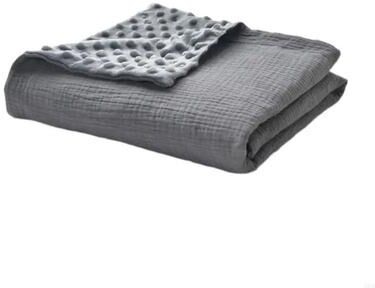
Uplifted Goods Sensory Tactile Pediatric Soothing Blanket e"Establish a high level of nocturnal tranquility with this High Performance Kinetic Comfort Shield. Engineered with a Reinforced ""Bean"" Texture Structural Shield and a specialized duallayer breathable frame, this blanket is designed to provide a..."49,97 $*Shipping: 0,00 $Secure redirect to the provider
-
What kind of activities can be offered in the area of sensory play and tactile exploration for after-school care?
In the area of sensory play and tactile exploration for after-school care, activities such as sensory bins filled with different textures like rice, beans, or sand can be offered. Other activities could include creating sensory bottles with various materials like glitter, beads, or water for children to shake and explore. Additionally, opportunities for messy play with materials like slime, playdough, or finger painting can also be provided to engage children's senses and encourage creativity. **
-
What are sensory cells, sensory organs, and senses?
Sensory cells are specialized cells that detect and respond to specific stimuli, such as light, sound, touch, taste, and smell. These cells are found in sensory organs, which are structures in the body that contain sensory cells and are responsible for detecting and transmitting sensory information to the brain. The senses, on the other hand, are the physiological capacities of organisms that provide data for perception. They include sight, hearing, touch, taste, and smell, and are essential for experiencing and interacting with the environment. **
-
What is a tactile defensiveness?
Tactile defensiveness is a heightened sensitivity or aversion to certain types of touch or tactile sensations. People with tactile defensiveness may react strongly to certain textures, temperatures, or pressures, and may experience discomfort, anxiety, or even pain in response to these sensations. This can impact their ability to engage in activities that involve touch, such as hugging, wearing certain fabrics, or participating in certain recreational activities. Occupational therapy and sensory integration techniques can be used to help individuals with tactile defensiveness manage their sensitivity and improve their ability to tolerate and engage in tactile experiences. **
-
Will tactile switches be lubricated?
Tactile switches are typically not lubricated because the lubrication can interfere with the tactile feedback mechanism, which is essential for the switch's functionality. Lubrication can also attract dust and debris, leading to potential malfunctions. However, some enthusiasts may choose to lubricate their tactile switches to achieve a smoother and quieter typing experience, but this is not a common practice. Ultimately, it is important to carefully consider the potential impact of lubrication on the tactile switch before making any modifications. **
Is this a tactile switch?
Without being able to physically inspect the switch, it is difficult to definitively determine if it is a tactile switch. However, tactile switches typically have a noticeable tactile feedback or "click" when pressed, providing a physical sensation to the user. If the switch in question has this characteristic, it is likely a tactile switch. Additionally, tactile switches often have a slightly different feel and sound compared to other types of switches, such as membrane or linear switches. If the switch exhibits these qualities, it is likely a tactile switch. **
What is the difference between a primary sensory cell, a secondary sensory cell, and a sensory nerve cell?
Primary sensory cells are specialized cells that directly detect stimuli from the environment, such as light, sound, or touch. Secondary sensory cells receive signals from primary sensory cells and transmit them to the central nervous system. Sensory nerve cells, also known as sensory neurons, are responsible for transmitting the signals from secondary sensory cells to the brain, where they are processed and interpreted. In summary, primary sensory cells detect stimuli, secondary sensory cells relay the signals, and sensory nerve cells transmit the signals to the brain for processing. **
Top-Angebote
Products related to Uplifted-Goods-Sensory-Tactile:
-
Uplifted Goods Sensory Tactile Pediatric Soothing Blanket c"Establish a high level of nocturnal tranquility with this High Performance Kinetic Comfort Shield. Engineered with a Reinforced ""Bean"" Texture Structural Shield and a specialized duallayer breathable frame, this blanket is designed to provide a..."49,97 $*Shipping: 0,00 $Secure redirect to the provider
-
Uplifted Goods Sensory Tactile Pediatric Soothing Blanket b"Establish a high level of nocturnal tranquility with this High Performance Kinetic Comfort Shield. Engineered with a Reinforced ""Bean"" Texture Structural Shield and a specialized duallayer breathable frame, this blanket is designed to provide a..."49,97 $*Shipping: 0,00 $Secure redirect to the provider
-
Uplifted Goods Sensory Tactile Pediatric Soothing Blanket e"Establish a high level of nocturnal tranquility with this High Performance Kinetic Comfort Shield. Engineered with a Reinforced ""Bean"" Texture Structural Shield and a specialized duallayer breathable frame, this blanket is designed to provide a..."49,97 $*Shipping: 0,00 $Secure redirect to the provider
-
How does sensory development progress?
Sensory development progresses through a series of stages, beginning with basic sensory experiences such as touch, taste, and smell in infancy. As children grow, they develop more refined sensory abilities, such as improved vision and hearing, and begin to integrate sensory information to make sense of their environment. This process continues into adolescence and adulthood, with individuals becoming more adept at interpreting and responding to sensory stimuli. Overall, sensory development progresses from basic sensory experiences to more complex and integrated sensory abilities as individuals mature. **
-
What kind of activities can be offered in the area of sensory play and tactile exploration for after-school childcare?
In the area of sensory play and tactile exploration for after-school childcare, activities can include sensory bins filled with materials like rice, beans, or sand for children to explore different textures. Other activities can involve creating sensory bottles with items like glitter, beads, or oil to provide visual and tactile stimulation. Additionally, children can engage in activities like finger painting, playdough sculpting, or sensory walks where they can explore different textures outdoors. These activities help children develop their sensory skills, creativity, and fine motor skills in a fun and engaging way. **
-
What kind of activities can be offered in the area of sensory play and tactile exploration for after-school care?
In the area of sensory play and tactile exploration for after-school care, activities such as sensory bins filled with different textures like rice, beans, or sand can be offered. Other activities could include creating sensory bottles with various materials like glitter, beads, or water for children to shake and explore. Additionally, opportunities for messy play with materials like slime, playdough, or finger painting can also be provided to engage children's senses and encourage creativity. **
-
What are sensory cells, sensory organs, and senses?
Sensory cells are specialized cells that detect and respond to specific stimuli, such as light, sound, touch, taste, and smell. These cells are found in sensory organs, which are structures in the body that contain sensory cells and are responsible for detecting and transmitting sensory information to the brain. The senses, on the other hand, are the physiological capacities of organisms that provide data for perception. They include sight, hearing, touch, taste, and smell, and are essential for experiencing and interacting with the environment. **
Similar search terms for Uplifted-Goods-Sensory-Tactile
-
What is a tactile defensiveness?
Tactile defensiveness is a heightened sensitivity or aversion to certain types of touch or tactile sensations. People with tactile defensiveness may react strongly to certain textures, temperatures, or pressures, and may experience discomfort, anxiety, or even pain in response to these sensations. This can impact their ability to engage in activities that involve touch, such as hugging, wearing certain fabrics, or participating in certain recreational activities. Occupational therapy and sensory integration techniques can be used to help individuals with tactile defensiveness manage their sensitivity and improve their ability to tolerate and engage in tactile experiences. **
-
Will tactile switches be lubricated?
Tactile switches are typically not lubricated because the lubrication can interfere with the tactile feedback mechanism, which is essential for the switch's functionality. Lubrication can also attract dust and debris, leading to potential malfunctions. However, some enthusiasts may choose to lubricate their tactile switches to achieve a smoother and quieter typing experience, but this is not a common practice. Ultimately, it is important to carefully consider the potential impact of lubrication on the tactile switch before making any modifications. **
-
Is this a tactile switch?
Without being able to physically inspect the switch, it is difficult to definitively determine if it is a tactile switch. However, tactile switches typically have a noticeable tactile feedback or "click" when pressed, providing a physical sensation to the user. If the switch in question has this characteristic, it is likely a tactile switch. Additionally, tactile switches often have a slightly different feel and sound compared to other types of switches, such as membrane or linear switches. If the switch exhibits these qualities, it is likely a tactile switch. **
-
What is the difference between a primary sensory cell, a secondary sensory cell, and a sensory nerve cell?
Primary sensory cells are specialized cells that directly detect stimuli from the environment, such as light, sound, or touch. Secondary sensory cells receive signals from primary sensory cells and transmit them to the central nervous system. Sensory nerve cells, also known as sensory neurons, are responsible for transmitting the signals from secondary sensory cells to the brain, where they are processed and interpreted. In summary, primary sensory cells detect stimuli, secondary sensory cells relay the signals, and sensory nerve cells transmit the signals to the brain for processing. **
* All prices are inclusive of VAT and, if applicable, plus shipping costs. The offer information is based on the details provided by the respective shop and is updated through automated processes. Real-time updates do not occur, so deviations can occur in individual cases. ** Note: Parts of this content were created by AI.